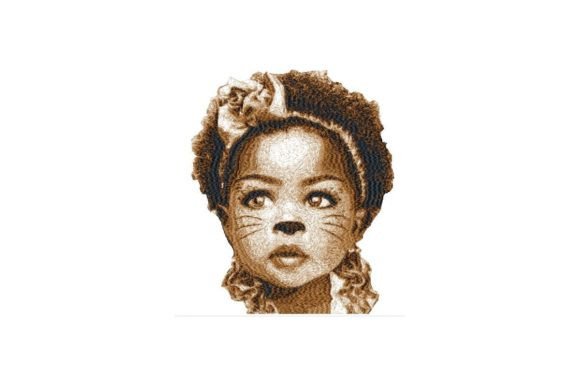
Imagine: A Designer’s Review for Real Embroidery Projects
As an embroidery designer who spends countless hours digitizing and testing files, I approach every new download with a critical eye. We all know the struggle of finding a machine embroidery design that looks stunning on the screen but translates poorly to fabric. Recently, I came across Imagine on Creative Fabrica, and it caught my attention immediately. This photo-stitch embroidery design promises a realistic and lovely aesthetic, positioning itself as a versatile option for both home decor and clothing. But does it hold up under the needle? I reviewed Imagine specifically to determine if it is viable for real-world commercial projects, from custom apparel to handmade gifts.
First Impressions: Visual Mood and Stitching Personality
The first thing that strikes you about Imagine is its artistic depth. Unlike standard cartoonish or simple line-art designs, this piece leans heavily into the "photo-stitch" style. This technique uses varying thread densities and color gradients to mimic the shading and texture of a photograph or digital painting. For designers who love digital arts, this is a significant draw. The visual mood is soft yet detailed, offering a sophisticated look that elevates a project beyond typical craft fair fare.
The stitching personality here is intricate. Photo-stitch designs rely heavily on fill stitch variations to create depth. In my initial assessment, the design appears to balance density well, avoiding the cardboard-like stiffness that can plague complex images. It feels organic, which is crucial when aiming for a high-end finished product. Whether you are targeting the Boys category with rugged themes or creating neutral nursery decor, the adaptability of the visual style allows it to fit various niches without feeling out of place.
Real-World Application: From Tote Bags to Sweatshirts
When considering Imagine for my shop, I looked at several potential products. The versatility of this embroidery file makes it suitable for a wide range of substrates. Here is how I envision it performing in specific scenarios:
- Custom Apparel: On a high-quality cotton sweatshirt, the realistic shading of Imagine would stand out beautifully. The key here is using a cut-away stabilizer to support the weight of the stitches without distorting the fabric.
- Tote Bag Design: Canvas bags are sturdy enough to handle the density of a photo-stitch design. This could be a standout item for Etsy sellers looking to offer unique, artistic accessories rather than generic text-based bags.
- Nursery Decor and Baby Items: While the product category mentions Boys, the soft, realistic nature of the design works wonderfully for baby blankets or pillow covers. However, caution is needed regarding stitch density on delicate baby fabrics.
- Embroidered Patches: If you plan to create iron-on patches, ensure your hoop size accommodates the full design. Photo-stitch designs often require larger hoops to maintain detail resolution without becoming too dense in a small area.
For those running a small business, this design offers a chance to create premium handmade products. It moves away from the saturated market of simple monograms and into the realm of wearable art. This distinction can help justify higher price points and attract customers looking for something truly special.
Technical Considerations for Professional Results
While Imagine is visually appealing, successful execution requires technical precision. Photo-stitch designs are notoriously tricky if not handled correctly. Here are the practical factors I considered before committing to a production run:
Fabric and Stabilizer Selection
The success of this design hinges on your choice of stabilizer. Because photo-stitch designs use significant thread coverage, a tear-away stabilizer may not provide enough support, leading to puckering. I strongly recommend using a medium-to-heavy weight cut-away stabilizer, especially for stretchy fabrics like jersey knits used in t-shirts or sweatshirts. For woven fabrics like tote bags or aprons, a stiff tear-away might suffice, but always test first.
Thread Colors and Contrast
To achieve the "realistic" look promised in the description, thread selection is paramount. You cannot simply swap colors arbitrarily. The gradient effect relies on specific thread colors blending seamlessly. I advise sticking close to the recommended color palette provided in the digital embroidery file. If you must change colors, do so gradually to maintain the depth of the image. Testing on scrap fabric is non-negotiable here; what looks good on screen may look muddy if the thread sheen clashes.
Hoop Size and Detail Resolution
One common mistake with detailed designs is shrinking them too much. If you reduce Imagine to fit a small 4x4 hoop, the tiny details may merge, resulting in a blob of thread rather than a clear image. Always check the minimum recommended size in the product details. If you are working on curved surfaces like caps, ensure the design fits within the usable area of your cap frame to avoid distortion.
Enhancing Product Value and Brand Consistency
Incorporating Imagine into your product line can significantly impact buyer trust and perceived value. High-quality, complex embroidery signals professionalism. When customers see a well-executed photo-stitch design, they understand the skill and time involved, which supports higher pricing strategies.
Furthermore, this design aids in creating compelling printable mockup assets for your online store. The realistic nature of the embroidery photographs well, allowing you to showcase texture and depth in your marketing images. This visual appeal drives customer engagement and can differentiate your brand from competitors using basic, free fonts or clipart.
Final Verdict: Is Imagine Worth It?
After reviewing Imagine from the perspective of a working designer, I believe it is a valuable addition to your library, provided you respect its technical requirements. It is not a "quick and easy" fill-in design; it demands attention to stabilizer, thread quality, and fabric choice. However, for creators focused on commercial embroidery and high-end personalized gifts, the payoff is worth the effort.
Before downloading, I recommend visiting the Creative Fabrica product page to confirm specific file formats and licensing terms. Ensure the hoop size matches your machine’s capabilities and verify that the license covers your intended commercial use. By taking these precautions, Imagine can become a staple in your repertoire, helping you create stunning, realistic embroidery that delights customers and elevates your brand.
Remember, the best way to judge any new design assets is to stitch it out. Grab some scrap fabric, load your favorite threads, and see how Imagine transforms from a digital file into a tangible piece of art. Happy stitching!