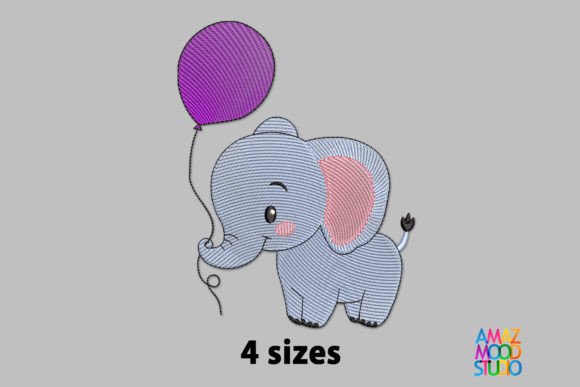
Cute Elephant with Air Ball: A Designer’s Review
When I first pulled up the Cute Elephant with Air Ball file on my digitizing software, I wasn’t looking for complexity. I was looking for charm that translates well into thread. As an experienced embroidery designer and reviewer, I have seen thousands of files that look perfect on a screen but turn into a tangled mess under the needle. This design, categorized under Baby Animals, immediately struck me as a strong contender for small-scale commercial projects and personalized gifts. It is not just about the subject matter; it is about how the lines flow and how the stitches will sit on fabric.
First Impressions and Visual Personality
The mood of this piece is undeniably playful. The elephant is depicted in a stylized, rounded manner, holding or interacting with an air ball, which adds a dynamic element to an otherwise static shape. For a machine embroidery design, this balance is crucial. If a design is too rigid, it feels stiff on soft goods. If it is too loose, it lacks definition. Here, the layout suggests a friendly, approachable aesthetic that fits perfectly within the realm of nursery decor or children’s apparel.
What stands out initially is the potential for clean stitch execution. The curves of the elephant’s body and the spherical nature of the air ball suggest that the digitizer likely utilized a combination of satin stitch for outlines and fill stitch for larger areas. This is a good sign. It means the design has been thought through to minimize jump stitches and maximize visual clarity. For an Etsy seller or a small shop owner, this translates to faster production times and fewer thread breaks.
Real-World Application: The Tote Bag Test
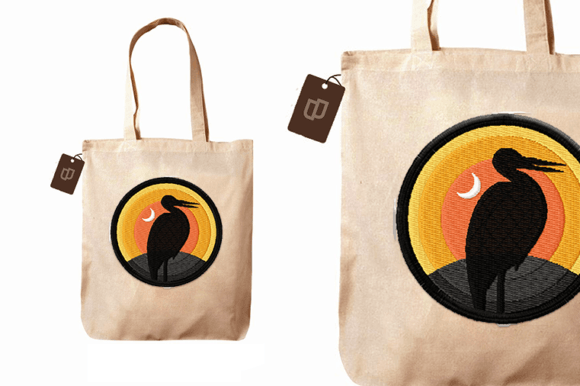
To truly evaluate an embroidery file, I mentally place it on various substrates. Let’s consider a custom tote bag design. Cotton canvas is a forgiving medium, but it can be heavy. Placing the Cute Elephant with Air Ball on a natural-colored tote creates an immediate contrast that draws the eye. The design is compact enough to sit centrally without overwhelming the bag, yet detailed enough to look professional.
I also envision this as sweatshirt embroidery. On a heather grey or pastel pink hoodie, the design would serve as a focal point on the left chest or centered on the back. The "air ball" element adds a touch of whimsy that appeals to both children and adults who appreciate cute aesthetics. For a craft business, this versatility is key. You are not limited to one product type. This same digital embroidery file could easily transition to a baby onesie, making it a viable asset for a boutique specializing in newborn gifts.
Stitching Performance and Technical Considerations
While the design is adorable, practical application requires a critical eye. When working with any machine embroidery design, stitch density is the silent killer of quality. If the density is too high on a thin fabric, you risk puckering. If it is too low on a thick fabric, the backing shows through. Based on the visual complexity of the elephant and the ball, I anticipate a moderate stitch count. However, since the exact specifications are not provided in the brief description, I strongly advise testing on scrap fabric first.
For textured fabrics, such as terry cloth towels or fleece blankets, the fine details might get lost. In these cases, using a stabilizer is non-negotiable. A cut-away stabilizer would provide the necessary support to keep the stitches crisp, especially around the edges of the air ball. For stretchy fabrics like jersey knits used in t-shirts, a tear-away stabilizer combined with a proper hoop size selection will prevent distortion.
Another consideration is the color palette. Thread colors make or break the final product. I recommend testing high-contrast combinations first. A dark grey elephant with a bright blue or red air ball pops beautifully on white fabric. Conversely, pastels work well for baby embroidery but may lack visibility on dark garments. Always check your design in black and white mockups to ensure the shapes remain distinct even without color differentiation.
Navigating Challenges: Where to Be Careful
Not every surface is ideal for this design. Curved surfaces, such as caps or hats, require careful placement. The roundness of the air ball might distort if stitched too close to the seam of a cap. Additionally, small hoop sizes might limit your ability to center the design properly if the file dimensions are larger than expected. Always confirm the hoop size compatibility before purchasing or committing to a project.
Dense stitch areas can also be problematic on delicate fabrics like silk or thin cotton. If the elephant’s body uses a heavy fill stitch, it could weigh down the fabric, causing it to sag over time. For items that need frequent washing, such as kitchen towels or baby clothes, ensure that the thread quality is high and that the stitch density is balanced to withstand agitation without fraying.
Commercial Value and Brand Consistency
For digital product sellers and commercial embroidery professionals, the value of Cute Elephant with Air Ball lies in its marketability. It fits seamlessly into trends surrounding handmade products and personalized gifts. Customers are drawn to designs that evoke emotion, and this elephant does exactly that. It builds customer trust because it looks intentional and well-crafted, rather than generic.
Using this design in your finished product lineup can enhance brand consistency if your shop focuses on whimsical or child-friendly items. It serves as a strong design asset for printable mockups, allowing you to showcase the design on various products before stitching a single thread. This saves time and resources, crucial for any small business owner.
Practical Notes for the Embroiderer
- Test First: Always stitch out a sample on the actual fabric you intend to use. Check for puckering or thread breaks.
- Check Licensing: Before selling finished items or using this as a commercial embroidery asset, confirm the license terms. Some files are for personal use only, while others allow for small batch sales.
- Stabilizer Selection: Match your stabilizer to your fabric. Use cut-away for knits and tear-away for wovens.
- Thread Contrast: Ensure your thread colors contrast sufficiently with the fabric background to maintain visual clarity.
- Hoop Size: Verify that your machine’s hoop can accommodate the design dimensions without resizing, which can alter stitch density.
In conclusion, the Cute Elephant with Air Ball is a charming addition to any embroidery library. It offers a blend of simplicity and character that works well across a range of applications, from baby clothes to tote bags. By paying attention to technical details like stitch density and stabilizer choice, you can ensure that your finished product meets the high standards your customers expect. Whether you are an Etsy seller looking for your next bestseller or a hobbyist creating a holiday gift, this design holds significant potential for creating memorable, high-quality embroidered items.