Sleeping Puppy: A Craft Fair Best Seller Review
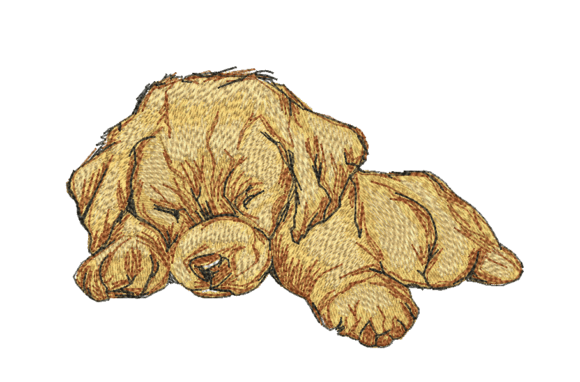
As an embroidery designer who has spent countless weekends behind a booth table, I know that not every design translates into sales. Some are technically impressive but visually quiet, while others capture hearts instantly. When I first loaded the Sleeping Puppy machine embroidery design into my software, I was looking for that specific spark that turns a casual browser into a committed buyer. This adorable embroidery of a sleeping puppy is perfect for decorating children s clothes and accessories and for everyone who loves cute designs. Make your things original. This machine embroidery de sign holds immense potential for the handmade market, provided it is applied with strategic intent.
First Impressions and Visual Appeal
The immediate reaction to Sleeping Puppy is one of softness and warmth. In the crowded category of Baby Animals, this design avoids being overly cartoonish, leaning instead into a gentle, comforting aesthetic. For a craft fair product, this is crucial. Customers at handmade markets are often looking for items that evoke emotion or nostalgia. The visual language here suggests tranquility, making it an ideal candidate for nursery decor, baby gifts, or cozy home accessories. It does not scream for attention with neon colors or aggressive lines; rather, it invites the viewer to lean in and appreciate the detail. This subtle appeal works wonders for brand consistency, allowing you to maintain a premium, thoughtful image across your small shop product line.
Strategic Product Placement for Maximum Sales
Choosing the right canvas is half the battle in commercial embroidery. Based on the description, this design shines brightest on items where softness is already implied. Here is how I would deploy Sleeping Puppy across various product types:
- Tote Bag Design: A natural cotton tote provides a neutral background that allows the thread colors to pop. Placing the puppy centrally creates a focal point that is visible from a distance in a busy aisle.
- Apron Embroidery: Positioning the design on the bib of a child’s apron or the pocket of an adult’s kitchen apron adds a whimsical touch that appeals to gift buyers.
- Tea Towel Embroidery: This is a high-volume seller. However, caution is needed regarding fabric texture. Ensure the stitch density is appropriate for terry cloth or linen to prevent puckering.
- Embroidered Patch: If the design scales well, turning it into an iron-on patch opens up revenue streams for customers who want to customize their own denim jackets or backpacks.
- Pillow Covers: A large-scale version on a cushion cover becomes a statement piece for a nursery, commanding a higher price point as a finished product.
For Etsy sellers and digital sellers, this design also serves as excellent content for printable mockup listings. Showing the puppy on a variety of items helps customers visualize the end result, increasing conversion rates for your digital embroidery file sales.
Production Practicality and Batch Efficiency
From a production standpoint, time is money. A design that takes four hours to stitch is rarely viable for a craft fair unless you are charging luxury prices. Sleeping Puppy appears to be designed for efficiency without sacrificing charm. When evaluating any new embroidery file, I always check the stitch density. If the design is too dense, it will cause the fabric to pucker, especially on lighter materials like baby clothes. If it is too sparse, the backing material might show through, ruining the professional look.
Before committing to a full batch, you must test the design on scrap fabric. This step is non-negotiable. Check how the thread colors interact with different fabric shades. A dark navy thread on a black shirt will vanish, while a pastel palette on a white muslin bag will look delicate and expensive. Confirm hoop size compatibility early. If the design requires a 5x7 hoop but you only have 4x4 machines, you cannot produce it efficiently. Always inspect the design assets for any tiny details that might break during washing or wear. Small, isolated stitches are prone to unraveling, which can lead to customer complaints and returns.
Navigating Technical Challenges
While Sleeping Puppy is versatile, there are careful-use notes to consider. Curved surfaces, such as caps, present a challenge. The distortion on a baseball cap can stretch the image, potentially making the puppy look elongated or distorted. If you plan to offer cap embroidery, use a strong stabilizer and consider resizing the design slightly smaller to accommodate the curve. Additionally, thick fabrics like heavy canvas or textured towels require sharp needles and possibly a topping stabilizer to keep the stitches sitting on top of the texture rather than sinking in.
Another critical factor is lighting and photography. For your online listings, ensure the lighting highlights the sheen of the threads. Flat lighting can make even the best design look dull. Use natural light or softbox lighting to capture the dimensionality of the stitches. This enhances the perceived value of the handmade product, justifying a higher price point.
Boosting Brand and Buyer Engagement
Incorporating Sleeping Puppy into your lineup does more than add another item to sell; it strengthens your booth display strength. A cohesive theme of cute, calming animals creates a memorable shopping experience. Buyers often remember the "shop with the sweet puppy designs." This emotional connection drives repeat business and word-of-mouth referrals. Furthermore, using this design in seasonal collections—such as back-to-school bags or holiday gift sets—keeps your inventory fresh and relevant.
For creative entrepreneurs, this design also offers opportunities for upselling. Pair an embroidered tote with a matching embroidered pouch, creating a bundle that increases the average order value. The consistency of using the same motif across different products reinforces brand recognition.
Final Designer Notes
Before launching Sleeping Puppy as a core part of your commercial embroidery offerings, verify all technical specifications. Since the provided description cuts off at "This machine embroidery de," you must consult the full product documentation to confirm the exact file formats included (such as PES, DST, or JEF) and the specific license terms. Ensure you have the rights to sell finished products if you are not selling the digital file itself. Never assume a license covers commercial use without explicit confirmation.
Create at least one real mockup before mass production. Compare how the design looks on three different fabric colors to determine your best-selling combination. Review spacing if you plan to add text, ensuring the puppy remains the star of the show. With proper testing and strategic placement, Sleeping Puppy has all the ingredients to become a staple in your craft fair inventory, delighting customers and boosting your bottom line.