Review: Make Your Own Embroidered Teacup Sachet Design
As a designer who has spent years digitizing patterns and troubleshooting stitch-outs for small business owners, I approach every new machine embroidery design with a mix of curiosity and skepticism. We have all seen those cute graphics that look perfect on a screen but turn into a tangled mess of thread breaks and puckering on the hoop. When I first encountered Make Your Own Embroidered Teacup Sachet, my initial reaction was not just about the cuteness factor, though it is undeniably charming. My focus shifted immediately to practical application. How does this translate from a digital concept to a tangible, high-quality handmade product?
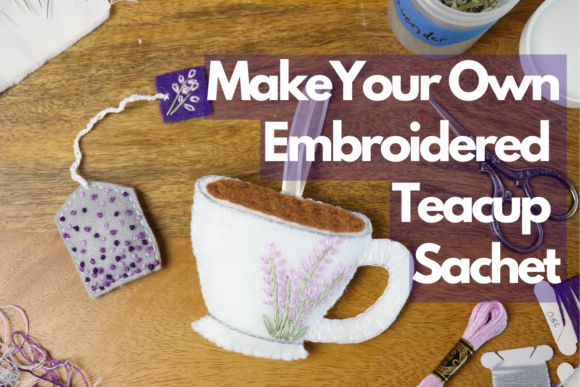
This is not just a standard flat embroidery pattern. The description highlights that it uses appliqué and embroidery techniques to create a stuffed felt sachet duo, featuring a teacup and a teabag. For an experienced reviewer, this signals a shift from simple surface decoration to structural crafting. It requires layering, cutting, and stitching, which adds complexity but also significantly boosts the perceived value of the final item.
First Impressions and Visual Personality
The mood of this design is cozy, whimsical, and inviting. It taps into the popular "cottagecore" aesthetic that performs exceptionally well on platforms like Etsy. The layout suggests a playful interaction between the teacup and the teabag, which creates a narrative element in the design. For embroidery designers, this is crucial because storytelling sells. A customer is not just buying a stitched shape; they are buying a feeling of warmth and comfort.
The detail level appears balanced. It avoids the trap of excessive micro-details that often fail on home embroidery machines. Instead, it relies on bold shapes and clear outlines, which are ideal for maintaining stitching clarity. The visual personality is soft and approachable, making it a natural fit for projects where tactile appeal matters as much as visual appeal.
Real-World Application Scenarios
I recently worked on a project for a boutique client who wanted to expand their line of kitchen textiles. They were hesitant about adding 3D elements, fearing production bottlenecks. I suggested testing Make Your Own Embroidered Teacup Sachet as a standalone gift item or as an embellishment on larger goods. Here is how I see this design performing in real-life embroidery situations:
- Holiday Gifts and Boutique Merchandise: The sachet format makes it an ideal personalized gift. Imagine packaging these in clear cellophane with a ribbon. It elevates a simple craft into a premium product.
- Tote Bag Design Accents: While the sachet itself is stuffed, the appliqué components can be adapted. You could stitch the flat appliqué base onto a canvas tote bag design before stuffing and closing it, creating a unique pocket feature.
- Nursery Decor and Baby Items: The soft felt and gentle theme work beautifully for baby embroidery projects. However, safety is paramount. Ensure the sachet is securely closed if used near infants, or adapt the design to be flat for onesies.
- Sweatshirt Embroidery Patches: Create the sachet separately and attach it as a removable patch using snaps or velcro. This allows for easy washing of the garment, addressing a common concern with textured custom apparel.
For Etsy sellers and craft business owners, this design offers versatility. It is not limited to one product type. You can sell the finished sachets, offer them as add-ons to tea sets, or even use the design elements in printable mockup previews to attract customers looking for unique design assets.
Technical Considerations and Fabric Choices
While the design is appealing, technical execution is where many crafters stumble. Since this involves applique design techniques, fabric choice is critical. Felt is the recommended medium because it does not fray, which simplifies the cutting process. However, if you attempt this on woven cotton or linen, you must account for fraying edges. Using a tight satin stitch border can help, but it increases stitch count and density.
Here are specific areas where caution is needed:
- Stitch Density and Stabilizer: Even though felt is stable, the layering adds bulk. Use a cut-away stabilizer if you are attaching this to a stretchy fabric like a sweatshirt. For stand-alone sachets, a tear-away might suffice during the initial hooping, but ensure your machine tension is adjusted for the thickness.
- Small Hoop Sizes: Check the dimensions before starting. If you are working with a 4x4 inch hoop, ensure the design fits comfortably with room for stabilization. Crowding the hoop can lead to misalignment during the appliqué placement steps.
- Thread Colors: Contrast is key. Use thread colors that pop against the felt. A dark brown outline on a cream cup reads better than a subtle tone-on-tone approach, especially for small details like the steam or tea bag tag.
- Curved Surfaces: If you plan to integrate this into cap or hat embroidery, be aware that the 3D nature of the sachet will not work on curved surfaces. Keep the sachet flat or use only the 2D appliqué portion for headwear.
Commercial Viability and Brand Consistency
For those considering this for commercial embroidery or as part of a small shop product line, consistency is vital. Because this involves hand-finishing (stuffing and closing), each unit will have slight variations. This can be marketed as a benefit of handmade goods, but you must manage customer expectations. High-quality photos showing the texture of the felt and the neatness of the stitches build trust.
When creating digital embroidery file listings or finished products, always verify the license terms. The prompt mentions this is part of a class by Charlie, which implies educational use. Before selling finished items derived from this design, confirm whether the license permits commercial sales. Many designers allow small-scale commercial use, but some restrict it to personal projects only. Ignoring this can lead to legal issues down the line.
Practical Designer Notes
Before committing to a large batch of production, follow these steps:
- Test on Scrap Fabric: Always run a test stitch-out on the same type of felt you plan to use. Different densities of felt behave differently under the needle.
- Check Stitch Types: Look for a mix of running stitch for placement lines and fill stitch or satin stitch for decorative edges. Ensure the placement lines are easy to remove or cover.
- Mockup in Black and White: Convert your design preview to grayscale. If the details disappear, the contrast is too low, and you may need to adjust thread choices.
- Inspect Small Details: Zoom in on the digital file. Are there tiny jumps or unnecessary stops? Clean up the file if possible to reduce thread trims and production time.
In conclusion, Make Your Own Embroidered Teacup Sachet is more than just a cute pattern. It is a versatile tool for creators looking to add dimension and charm to their portfolio. Whether you are an apparel decorator looking for unique patches, a digital product seller offering new classes, or a hobbyist making gifts, this design holds promise. Just remember to respect the technical requirements of appliqué and always prioritize quality control in your finished products. With careful execution, this design can become a standout item in your collection, driving engagement and delighting customers who appreciate the warmth of handmade craftsmanship.