Reviewing Introduction to Crewel Work for Modern Makers
As an embroidery designer who spends countless hours digitizing and stitching for clients, I am always on the lookout for resources that bridge the gap between traditional artistry and modern commercial viability. Recently, I explored Introduction to Crewel Work, a class available on Creative Fabrica. While many digital assets focus solely on ready-to-stitch files, this resource offers something different: a deep dive into the technique itself. For those of us looking to expand our service offerings beyond standard satin and fill stitches, understanding the nuances of crewel work is becoming increasingly valuable.
The Visual Appeal of Jacobean Style
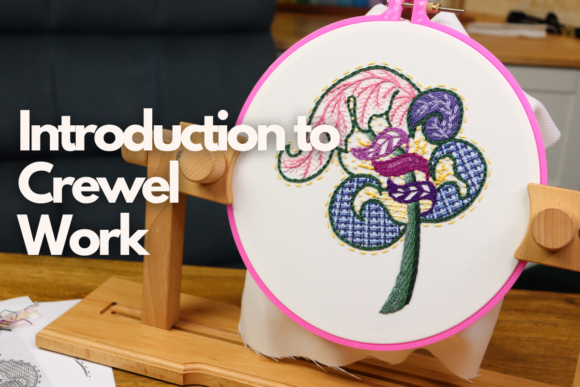
Crewel embroidery, particularly in the style of the Jacobean era, is on the rise in the needlework world. When I first reviewed the materials associated with Introduction to Crewel Work, I was struck by the organic, flowing nature of the designs. Unlike the rigid geometry often found in standard machine embroidery, crewel work emphasizes texture, movement, and botanical realism. The visual mood is rich and tactile, featuring twisting vines, detailed leaves, and floral motifs that feel alive.
For an embroidery designer, this aesthetic opens up new avenues for high-end custom apparel and home decor. The decorative appeal lies in its ability to look handcrafted even when executed with precision tools. This class helps clarify what exactly makes something "crewel," focusing on the use of wool or textured threads on a sturdy fabric foundation, which translates beautifully into the digital realm when we aim to replicate that depth through stitch variation.
Real-World Applications for Small Business Owners
When considering whether to invest time in learning these techniques or using related design assets, I immediately thought about my current product line. How does Introduction to Crewel Work translate to sellable items? The answer lies in versatility. These designs are not just for wall hangings; they are perfect for elevating everyday objects.
- Tote Bag Design: The dense, textured look of crewel-style stitching adds significant perceived value to canvas tote bags, making them ideal for boutique merchandise.
- Sweatshirt Embroidery: A large, intricate botanical back-piece on a heavyweight sweatshirt can command a higher price point than simple logo embroidery.
- Pillow Covers and Nursery Decor: The soft, organic lines fit perfectly into modern bohemian interiors, appealing to customers looking for unique handmade products.
- Aprons and Kitchen Towels: While traditional crewel uses wool, adapting these motifs for cotton thread on kitchen textiles creates a charming, vintage-inspired aesthetic.
For Etsy sellers and creative entrepreneurs, offering items with this level of detail helps differentiate your brand. It moves your work away from mass-produced looks and toward artisanal quality. Whether you are creating a personalized gift or a seasonal handmade gift, the complexity associated with crewel work signals effort and skill to the buyer.
Technical Considerations for Machine Execution
While Introduction to Crewel Work teaches the traditional hand methods, applying these concepts to machine embroidery requires careful planning. If you are using a digital embroidery file inspired by this style, you must pay attention to stitch density. Traditional crewel is heavy; translating that to a machine requires balancing visual impact with fabric integrity.
One critical factor is the choice of stabilizer. Because crewel-style designs often feature long running stitch outlines and dense fill stitch areas to mimic texture, using the wrong stabilizer can lead to puckering, especially on stretchy fabric or lightweight cottons. I always recommend testing on scrap fabric before committing to a final piece. Check thread color contrast carefully, as the beauty of crewel lies in subtle shading rather than stark outlines.
Additionally, consider the hoop size. Large Jacobean motifs may require hooping strategies that minimize re-hooping marks. For curved cap surfaces, these designs might be too large or dense, so they are better suited for flat items like patches or tote bags. An embroidered patch is an excellent way to utilize these intricate designs without worrying about garment distortion.
Enhancing Product Value and Brand Consistency
Incorporating elements learned from Introduction to Crewel Work can significantly affect product value. Buyers often associate textured, complex embroidery with luxury. When you present a finished product with rich, layered details, it enhances buyer trust and encourages higher engagement on social media. High-quality product photography of these textured pieces stands out in a feed saturated with flat, simple designs.
For digital product sellers, understanding this style allows you to create better printable mockups and design assets. You can market your commercial embroidery products as "artisan-inspired" or "textured botanical," tapping into current trends. This consistency in visual appeal helps build a recognizable brand identity.
Practical Steps Before You Stitch
Before diving into a large order, there are several practical steps to ensure success. First, confirm file details and licensing on the Creative Fabrica product page. Ensure that the specific design assets you choose allow for commercial embroidery use if you plan to sell the finished product. Do not assume; always verify.
- Test on Scrap Fabric: Always run a test stitch-out to check for thread breaks or tension issues.
- Review Stitch Density: Ensure the design is not too dense for your chosen fabric, which could cause stiffness.
- Compare Mockups: Visualize the design on both light and dark fabric to ensure visibility and contrast.
- Inspect Small Details: After stitching, check that fine details like leaf veins or flower centers are clear and not lost in bulk.
If you are new to this style, remember that Introduction to Crewel Work is categorized under Classes, meaning it is an educational resource. It provides the foundational knowledge to understand the style, which you can then apply to your machine embroidery design process. It does not necessarily provide a plug-and-play applique design but rather the insight needed to create or select appropriate patterns.
Final Thoughts for Creative Entrepreneurs
Exploring Introduction to Crewel Work has been a refreshing reminder of the roots of our craft. For embroidery designers, it offers inspiration to break away from standard digital defaults and embrace more organic, textured approaches. Whether you are decorating apparel, creating home goods, or selling digital files, understanding the principles of crewel embroidery adds depth to your portfolio.
By combining the historical elegance of Jacobean styles with modern machine precision, you can create unique, high-value items that resonate with customers seeking authenticity. Just remember to respect the technical limitations of your machine and materials. With proper testing and attention to detail, this style can become a signature element of your handmade business, setting your work apart in a crowded marketplace.