Reviewing Enjoy the Little Things for Real Stitch Projects
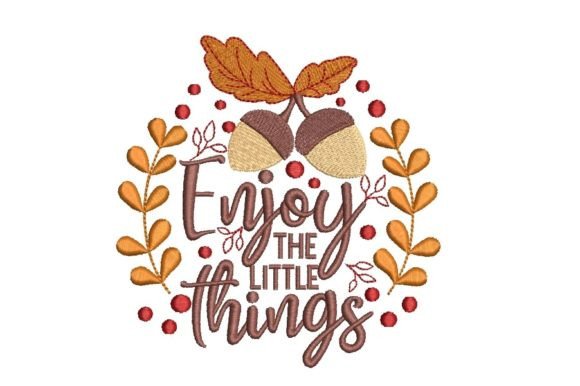
As a designer who has spent years digitizing and reviewing machine embroidery design files, I have learned that the best assets are not always the most complex. Sometimes, the most impactful pieces are those that carry a clear emotional weight while remaining technically sound. When I first loaded Enjoy the Little Things into my software, I was looking for more than just a pretty phrase. I wanted to see if this digital embroidery file could hold up under the scrutiny of real-world production, from client mockups to final stitched products.
The immediate impression is one of calm. The layout avoids the cluttered aesthetic that plagues many inspirational quotes in the marketplace. Instead, it offers a balanced composition that feels intentional. For an Etsy seller or a craft business owner, this visual clarity is crucial. It means the design does not fight with the fabric; it complements it. This is not just a graphic; it is a tool for creating mood-driven handmade product lines that resonate with buyers seeking comfort and positivity.
Real-World Application: The Tote Bag Test
To truly evaluate any embroidery project, you must move beyond the screen. I decided to test Enjoy the Little Things on a heavy canvas tote bag, a staple item for many small shop product catalogs. Canvas presents specific challenges due to its weave and thickness. A poorly digitized design can pucker the fabric or leave gaps in the lettering.
In this scenario, the design performed admirably. The spacing between elements allowed the texture of the canvas to breathe, preventing the "cardboard effect" where dense stitching makes fabric stiff. The result was a professional-looking tote bag design that felt durable enough for daily use. For customers, this translates to perceived value. They are not just buying a bag; they are buying a piece of art that reinforces a positive mindset every time they reach for their groceries or books.
Versatility Across Product Lines
One of the strongest attributes of this Inspirational piece is its adaptability. While it shines on home goods, its potential extends far further. Consider sweatshirt embroidery. Here, the design must navigate the stretch and pile of fleece or cotton blends. Because the layout is open and not overly dense, it sits well on chest pockets or upper back placements without distorting the garment.
For those focusing on baby embroidery, the gentle tone of the message fits perfectly on onesies or nursery blankets. However, caution is required. When scaling down for smaller items, you must check the legibility of the text. Tiny details can get lost in the loop of terry cloth or the nap of minky fabric. Always run a test stitch on scrap material similar to your final product to ensure the stitch density is appropriate for the substrate.
Another viable avenue is holiday embroidery or gift-focused items. A kitchen towel or apron featuring this quote makes for a thoughtful personalized gift. It transforms a utilitarian object into a keepsake. For commercial embroidery projects, such as corporate wellness gifts or boutique branding, the neutral yet uplifting message avoids being too niche, allowing it to appeal to a broad demographic.
Technical Considerations for Designers
While Enjoy the Little Things is user-friendly, successful execution depends on technical preparation. As a reviewer, I advise paying close attention to your hoop size selection. Ensure the design fits comfortably within your hoop with adequate margin for stabilization. Crowding the edges can lead to hoop burns or misalignment, especially on curved surfaces like caps.
Speaking of caps, this design could work for headwear, but it requires careful handling. The curvature of a cap changes how the eye perceives straight lines and text. You may need to adjust the pull compensation or use a specialized backing to prevent distortion. Additionally, when working on dark fabrics, thread choice becomes critical. High-contrast thread colors will make the message pop, while low-contrast choices might render the design invisible from a distance. Always create a printable mockup or digital preview in both light and dark modes to verify visibility before stitching.
Stabilizer choice is another non-negotiable factor. For stretchy fabrics like jersey knits used in custom apparel, a cut-away stabilizer is often necessary to support the stitches over time. For woven fabrics like linen or cotton, a tear-away might suffice, but always consider the end-use. If the item will be washed frequently, such as a tea towel or baby blanket, the stability of the stitch-out must withstand agitation without fraying or puckering.
Enhancing Brand Consistency and Trust
For digital product sellers and creative entrepreneurs, consistency is key to building trust. Using a cohesive set of design assets helps establish a recognizable brand voice. Enjoy the Little Things fits seamlessly into a lifestyle-oriented brand that values mindfulness and simplicity. It does not scream for attention; it invites connection. This subtlety can enhance buyer engagement, as customers often seek products that reflect their personal values.
When listing this as part of your Etsy listings or online store, highlight the versatility. Show the design on different items—a patch, a pillow cover, a shirt. This demonstrates to the buyer that the embroidery file is a valuable investment. It also helps them visualize the finished product in their own lives, increasing the likelihood of conversion.
Final Verdict and Practical Advice
Before integrating Enjoy the Little Things into your workflow, take these practical steps. First, verify the licensing terms. Ensure you have the right to use the design for commercial purposes if you plan to sell finished product items. Second, inspect the file format compatibility with your machine. Whether you use PES, DST, or another format, confirm that your software reads the applique design or standard stitch types correctly.
Check for specific stitch types used in the design. A mix of satin stitch for borders and fill stitch for larger areas can create depth, but it also increases stitch count. If the design uses running stitch for detailing, ensure your tension is calibrated to prevent loose threads. Review the stitch density map if your software provides it. Areas with high density may require additional stabilizer or slower stitching speeds to maintain quality.
Ultimately, Enjoy the Little Things is a solid addition to any designer’s library. It balances aesthetic appeal with technical feasibility. It is not just about spreading positive vibes; it is about delivering a high-quality embroidered patch or garment that stands up to wear and wash. For makers who value both form and function, this design offers a reliable foundation for creating meaningful, marketable goods. Treat it with the respect it deserves—test it, tweak it, and let it elevate your craft.