Cell Flower: A Craft Fair Review for Embroidery Sellers
As an embroidery designer who has spent countless weekends behind a booth table, I know that not every design translates into sales. Some look beautiful on a screen but disappear in person, while others become instant bestsellers because they catch the eye from three aisles away. Today, I am reviewing Cell Flower, a machine embroidery design that promises to be fun, easy to stitch, and perfect for summery fabrics. I evaluated this piece specifically through the lens of a craft fair seller preparing for a busy market season.
First Impressions and Visual Appeal
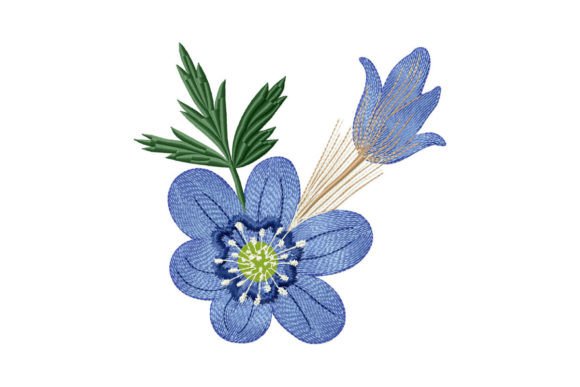
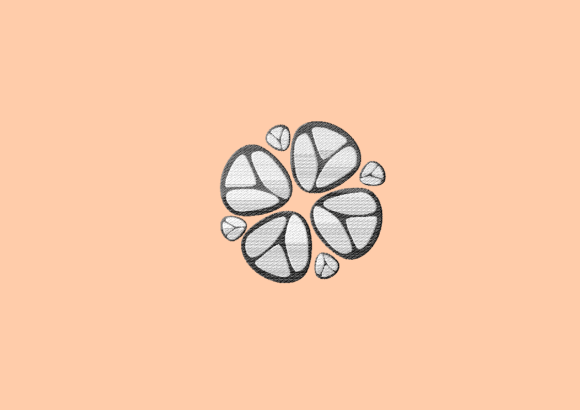
When I first loaded the embroidery file into my software, the immediate impression was one of playful simplicity. The title "Cell Flower" suggests a biological or geometric inspiration, but the description emphasizes a fun and easy aesthetic. For a craft fair environment, clarity is king. Customers walking past your booth have only seconds to decide if they want to stop. This design does not rely on intricate, tiny details that get lost in a crowd. Instead, it offers a bold, recognizable shape that reads well from a distance.
The vibe feels modern yet approachable. It is not overly rustic or strictly farmhouse; rather, it sits comfortably in a contemporary handmade niche. This versatility is crucial for a small shop product because it allows you to target multiple demographics. Whether your brand leans toward minimalist home decor or vibrant fashion accessories, Cell Flower adapts without losing its identity. As part of the Single Flowers category, it stands alone effectively, meaning you do not need complex surrounding elements to make it look complete.
Product Versatility for Market Sales
The true test of any digital embroidery file is how it performs across different substrates. Based on the description, this design is ideal for summery fabrics, dresses, hats, and home decor. Here is how I see it performing in a real-world retail scenario:
- Tote Bag Design: This is perhaps the strongest contender. A medium-to-large hoop size placement on a canvas tote creates a striking focal point. The design’s simplicity means it stitches out quickly, allowing for batch production before a weekend market.
- Apron Embroidery: Placing Cell Flower on the bib of a linen or cotton apron adds a touch of whimsy. It appeals to buyers looking for functional art in the kitchen.
- Tea Towel Embroidery: For kitchen textiles, the design works well as a corner accent. However, you must check the stitch density to ensure it does not pucker the lightweight fabric.
- Embroidered Patch: If you offer patches, this design could be stitched on twill and cut with a merrowed edge. Patches are high-margin items that allow customers to customize their own jackets or bags later.
- Caps and Hats: Curved surfaces are tricky. If the design is too wide, it may distort on a structured cap. I recommend testing it on a curved hoop to ensure the "cell" structure remains symmetrical.
For Etsy sellers and digital sellers, this versatility means you can create a wide range of printable mockup assets. Showing the same design on a pillow cover, a market bag, and a dress helps customers visualize the potential, increasing buyer engagement.
Production Practicality and Batch Efficiency
From a business owner’s perspective, time is money. The description notes that this creative embroidery is "easy to stitch." In my experience, this usually implies moderate stitch density and fewer color changes. This is excellent news for commercial embroidery operations. Lower stitch counts mean less thread breakage, faster run times, and reduced wear on your machine needles.
When preparing for a craft fair, you need products that are repeatable. You cannot spend twenty minutes trimming and finishing a single item if you hope to stock a full table. Cell Flower appears to be designed for efficiency. The lack of overly dense fill areas suggests it will lay flat on most fabrics without requiring heavy-duty stabilizer, though a standard cut-away or tear-away should still be used depending on the fabric texture.
Photography is another critical factor. Designs with clear lines and distinct shapes photograph better for online listings. Cell Flower’s likely geometric or organic structure should provide good contrast against solid-colored fabrics, making it easier to create compelling social media content and Etsy thumbnails.
Careful-Use Notes and Technical Considerations
While the design seems user-friendly, there are always technical nuances to consider before launching a finished product line. Here are my professional notes for ensuring quality:
- Fabric Texture: The description mentions summery fabrics. These are often lightweight linens or cottons. Ensure your stabilizer matches the fabric weight. A heavy stabilizer on a light dress fabric will feel stiff and cheap.
- Thread Colors: To maintain the "fun" aspect, consider using contrasting thread colors. However, avoid neon threads on dark fabrics unless you have tested for visibility. The design must remain legible.
- Small Details: If the "cell" aspect involves small internal lines, verify that they do not merge during stitching. Run a test on scrap fabric first. If details are too small, they may lose clarity when viewed from a distance at a market.
- Hoop Size: Confirm the available hoop sizes included in the multiple embroidery file package. Do not assume it fits a 4x4 hoop if you primarily use 5x7 machines. Check the dimensions before purchasing.
- Dense Stitch Areas: Even "easy" designs can have dense borders. Check the underlay stitches. If the design pulls the fabric, use a topping or adjust your tension settings.
Boosting Brand Consistency and Value
Incorporating Cell Flower into your lineup can strengthen your brand’s visual identity. If your shop focuses on cheerful, handmade gifts, this design reinforces that message. It feels premium not because it is complex, but because it is clean and well-executed. Customers associate clean stitching with high-quality craftsmanship.
For boutique makers, this design can be part of a cohesive collection. Imagine a series of Single Flowers where Cell Flower is the centerpiece of a summer launch. Pair it with matching thread palettes across different products—tea towels, pouches, and caps—to create a unified booth display. This consistency helps buyers recognize your work and builds trust.
Final Designer Verdict
Before you commit to full-scale production, always test the design on the actual materials you intend to sell. Create at least one real mockup to check the hand-feel and drape. Compare how it looks on white versus colored fabric to determine your best-selling combinations. And importantly, confirm commercial licensing terms. While many digital embroidery files allow for physical sales, always read the specific license included with your purchase to protect your business.
Cell Flower offers a strong balance of aesthetic appeal and production efficiency. It is a practical choice for embroidery business owners looking to expand their craft fair product range with items that are quick to produce, easy to photograph, and visually engaging for shoppers. By focusing on proper stabilizer use and smart product placement, this design can become a reliable staple in your handmade inventory.