Owl on Branch: A Designer’s Craft Fair Review
As an embroidery designer who has spent countless weekends behind a craft fair table, I know that not every design translates equally well from screen to sales. When I first loaded the Owl on Branch machine embroidery design into my software, my immediate goal was not just to admire the artistry, but to evaluate its commercial viability. For those of us running small shop products or Etsy seller accounts, aesthetics are only half the battle. The other half is production efficiency and customer appeal. This review breaks down how this specific Birds category design performs in the real world of handmade markets.
First Impressions and Visual Appeal
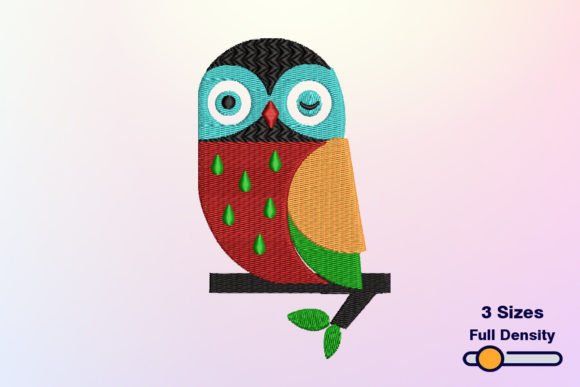
The title alone suggests a rustic, nature-inspired aesthetic, which is a perennial favorite in the handmade community. Upon closer inspection, Owl on Branch strikes a balance between whimsical and elegant. It does not feel overly cartoonish, which allows it to appeal to adult buyers looking for home decor, nor is it so intricate that it feels stiff or formal. This versatility is crucial for a craft fair product. The silhouette of the bird provides a strong focal point, while the branch adds a grounding element that makes the composition feel complete rather than floating.
In terms of mood, the design leans towards a soft, modern farmhouse vibe. This is significant because it fits seamlessly into current interior design trends. When considering where this Embroidery piece will shine, I immediately thought of neutral-toned fabrics. The visual appeal here relies on clean lines and recognizable shapes. For a customer walking past a booth, the design needs to be understood at a glance. Owl on Branch succeeds here because the subject matter is universal and instantly recognizable, requiring no explanation to spark interest.
Product Applications for Maximum Sales
To determine the best use for this digital embroidery file, I mentally placed it on various blank items typically found in a maker’s inventory. Here is how it performs across different categories:
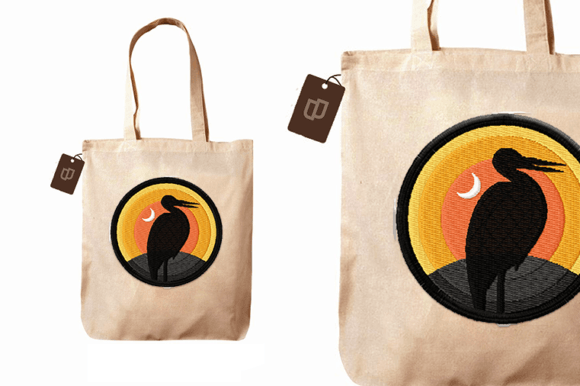
- Tote Bag Design: This is arguably the strongest application. A canvas tote with Owl on Branch centered on the front becomes an instant bestseller. The design is large enough to be seen from a distance but simple enough not to overwhelm the fabric. It transforms a generic bag into a unique accessory.
- Apron Embroidery: For kitchen-focused buyers, placing this design on the bib of a linen apron adds a touch of personality. It suggests a love for nature and home cooking, creating an emotional connection with the buyer.
- Tea Towel Embroidery: While popular, towels require caution. The fabric texture of waffle weave or terry cloth can distort fine details. However, if the stitch density is appropriate, this design works well on flat-weave linen tea towels, offering a premium look for gift sets.
- Embroidered Patch: Creating iron-on or sew-on patches allows for batch production. You can embroider multiple patches on a single sheet of felt or twill, cut them out, and sell them as affordable add-ons. This is a high-margin small shop product.
- Pillow Covers and Market Bags: The organic shape of the branch complements the softness of home textiles. It serves as a gentle accent that does not clash with patterned furniture, making it a safe yet stylish choice for hesitant buyers.
Production Practicality and Efficiency
For the busy creative entrepreneur, time is money. The description notes that this bird embroidery design is a quick and easy way to add personality. In practice, this suggests optimized stitch paths and reasonable run times. When preparing for a weekend craft fair, I need designs that do not tie up my machine for hours. If Owl on Branch runs efficiently, it allows for rapid restocking of popular items like caps and pouches.
Photography is another critical factor. This design photographs exceptionally well for online listings. The contrast between the thread colors and the fabric creates depth in images, which is essential for Etsy sellers who rely on visual click-through rates. A clear, bold design like this reduces the need for excessive editing in post-production. It looks professional in a printable mockup, helping digital sellers visualize the finished product before they even stitch a single thread.
Careful-Use Notes and Technical Considerations
While the design is versatile, there are technical constraints to consider. Always check the specific stitch density provided in the embroidery file. High density on thin fabric can cause puckering, while low density on thick fabric may look sparse. Here are specific scenarios where caution is advised:
- Curved Surfaces: When applying this to caps, ensure the hoop size accommodates the curve. The branch element must remain horizontal; otherwise, the owl may appear tilted, ruining the aesthetic.
- Dark Fabric: If stitching on navy or black, verify that the thread colors have enough contrast. You may need to adjust the colorway in your software to ensure the owl does not disappear into the background.
- Small Sizes: Avoid shrinking this design too much for tiny items like coin purses. Tiny details and small lettering (if any exists in variations) can lose clarity and become unrecognizable blobs of thread.
- Textured Towels: As mentioned, avoid heavy textures unless you use a topping stabilizer to keep the stitches sitting on top of the pile.
Enhancing Brand Consistency and Buyer Engagement
Using Owl on Branch consistently across your product line strengthens brand identity. If your boutique makers’ shop focuses on woodland or nature themes, this design becomes a signature element. Customers begin to associate that specific owl silhouette with your quality and style. This recognition drives repeat business and higher engagement at booths. When a customer sees the same design on a tote, a patch, and a pillow, it creates a cohesive collection that feels curated and professional.
Furthermore, the perceived value of the finished product increases when the embroidery is crisp and well-executed. A clean design signals high-quality craftsmanship. It tells the buyer that attention to detail was paid, justifying a higher price point for your handmade product. This is particularly important for commercial embroidery where competition is fierce.
Designer’s Checklist for Success
Before you commit to producing a full inventory, follow these practical steps to ensure success with this design assets package:
- Test on Scrap Fabric: Never skip the test stitch. Use the exact fabric type you intend to sell.
- Check Thread Contrast: Ensure your chosen thread colors pop against the fabric background.
- Review Spacing: Confirm that elements of the owl and branch do not overlap incorrectly.
- Confirm Hoop Size: Match the design dimensions to your available hoops to minimize re-hooping.
- Inspect Stitch Density: Look for areas that might be too dense for lightweight fabrics.
- Use the Right Stabilizer: Cut-away for stretchy fabrics, tear-away for stable woven fabrics.
- Create a Real Mockup: Photograph the actual stitched item, not just the digital file.
- Compare Fabric Colors: Test on at least three different fabric shades to see versatility.
- Verify Licensing: Always confirm commercial licensing terms before selling finished products. The description implies machine use, but explicit rights should be checked in the download package.
In conclusion, Owl on Branch is a strong contender for any embroidery business owner looking to expand their craft fair offerings. Its blend of simplicity and charm makes it adaptable to a wide range of products, from tote bags to home decor. By paying attention to technical details like stabilizer choice and fabric texture, you can ensure that every finished product meets the high standards your customers expect. This design is not just a pretty picture; it is a practical tool for building a successful, visually cohesive handmade brand.