Lemon Cross Stitch: A Designer’s Review for Craft Fairs
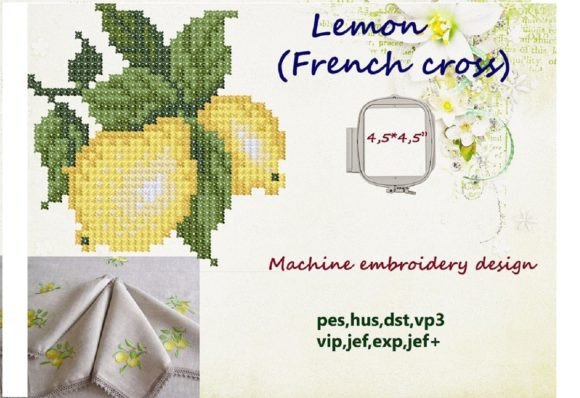
As an embroidery designer who has spent countless weekends behind a booth table, I know that the difference between a browser and a buyer often comes down to visual impact. When I first loaded the Lemon Cross Stitch file into my software, my immediate reaction was one of refreshing clarity. This is not just another fruit motif; it is a strategic asset for any seller focusing on kitchenware or summer-themed collections. The design utilizes a French cross stitch technique, which gives it a handcrafted, textured appearance even though it is produced by a machine. For those of us selling handmade products, achieving that "slow-made" aesthetic is crucial for perceived value.
First Impressions and Market Appeal
The vibe of this design is undeniably cheerful and rustic. It sits comfortably in the farmhouse category but with a modern, clean edge that appeals to younger demographics as well. In the context of Food themed decor, lemons are perennial bestsellers. They symbolize freshness, cleanliness, and hospitality. When evaluating Lemon Cross Stitch for a craft fair lineup, I see it as a versatile anchor piece. It is bold enough to be seen from three feet away, yet detailed enough to invite closer inspection. This dual nature is vital for booth traffic; you need designs that stop people in their aisles.
For Etsy sellers and digital shop owners, this machine embroidery design offers high commercial potential. The French cross stitch style mimics traditional needlework, which resonates deeply with customers looking for authentic, artisanal quality. It does not look mass-produced, which is the highest compliment a small shop product can receive.
Strategic Product Placement
Where does this design shine brightest? Based on the description, it is optimized for linens, but my experience suggests expanding its reach. Here is how I would deploy this embroidery file across a product line:
- Tea Towel Embroidery: This is the most obvious and likely the highest-volume seller. The design looks amazing on kitchen towels, table cloths, and napkins. The contrast of yellow thread against white or natural linen creates a crisp, clean look that screams "hygiene" and "home."
- Apron Embroidery: A single lemon placed on the chest pocket of a canvas apron transforms a utility item into a giftable craft fair product. It adds personality without overwhelming the garment.
- Tote Bag Design: For market bags or grocery totes, this design serves as a perfect focal point. It is simple enough to remain legible on textured canvas but distinctive enough to serve as a brand marker.
- Embroidered Patch: If your machine allows for dense stitching on smaller hoops, this design could be adapted into an iron-on patch. Patches are low-cost, high-margin items that appeal to impulse buyers at fairs.
Production Practicality and Batch Selling
One of the biggest challenges for embroidery business owners is scalability. You cannot spend forty-five minutes hooping and trimming every single item if you want to make a profit. Lemon Cross Stitch appears to be designed for efficiency. The French cross stitch technique typically involves structured, repetitive movements that are reliable for machines. This makes it an excellent candidate for batch production. You can hoop multiple tea towels at once, run the design, and move on to finishing.
However, practical judgment is required. Before committing to a large run, you must consider the stitch density. While the description highlights the unique technique, dense areas can cause puckering on lightweight fabrics like thin cotton napkins. Always test on scrap fabric first. If the design feels too heavy, adjust your tension or use a lighter weight thread for the fill areas while keeping the outline sharp.
Navigating Technical Challenges
Even the best digital embroidery file requires careful handling. Here are specific notes for executing this design successfully:
- Fabric Texture: The description mentions it looks amazing on various items, but textured towels can sometimes obscure fine details. Ensure the cross-stitch effect remains visible on terry cloth or waffle weave. If the texture is too high, consider using a contrasting thread color to enhance visibility.
- Stabilizer Selection: For kitchen items that will be washed frequently, a cut-away stabilizer is often safer than tear-away, especially if the fabric is stretchy or loosely woven. This ensures the finished product maintains its shape after dozens of wash cycles.
- Thread Colors: Lemon yellow can be tricky. Some shades appear neon under bright fair lights, while others look muddy. Test at least three shades of yellow and a complementary green for the leaves. High-contrast thread choices will make the design pop on dark fabrics, though light backgrounds are generally safer for this style.
- Hoop Size: Verify the required hoop size before purchasing. If the design is large, ensure your machine can accommodate it without re-hooping, which can lead to alignment issues.
Enhancing Visual Appeal and Brand Consistency
In a crowded marketplace, consistency builds trust. Using Lemon Cross Stitch across multiple product types creates a cohesive collection. Imagine a booth display where the tea towels, aprons, and tote bags all feature the same distinctive lemon motif. This repetition reinforces brand identity. Customers begin to associate that specific lemon style with your shop.
For online listings, this design photographs beautifully. The geometric nature of the cross stitch provides clear lines that look sharp in photos. Create a printable mockup or stage real items in natural light to showcase the texture. Highlight the "French cross stitch technique" in your product descriptions. Educating the customer on the technique adds value and justifies a higher price point for your commercial embroidery work.
Final Designer Notes
Before you list this as a design asset or start sewing your inventory, check the specific license terms. Not all digital embroidery files allow for unlimited commercial use. Confirm whether you are licensed to sell the physical finished product or if there are restrictions on quantity. Additionally, since the prompt does not specify exact stitch counts or file formats, download the sample and inspect it in your software. Check for jump stitches that may need trimming and ensure the start/stop points are clean.
Ultimately, Lemon Cross Stitch is a strong contender for any Embroidery focused business. It balances aesthetic charm with production feasibility. By treating it as a core component of your kitchen and home line, you can create a compelling narrative around freshness and handmade quality. Whether you are a seasoned Etsy seller or a new crafter testing the waters at local markets, this design offers the reliability and visual appeal necessary to drive sales. Remember, the goal is not just to stitch a lemon, but to stitch a feeling of warmth and home that customers are eager to take with them.