Reviewing Learning Intermediate Needle Lace for Gifts
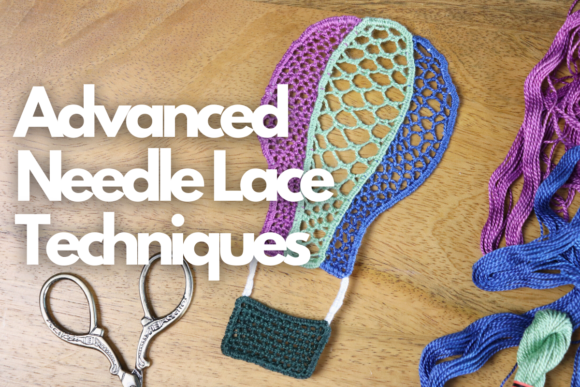
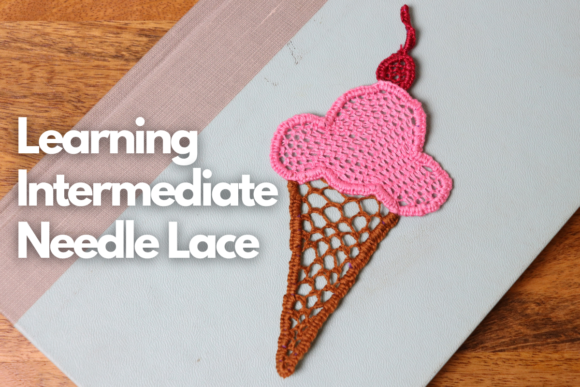
As an embroidery designer who has spent years curating collections for personalized gift shops, I approach every new machine embroidery design with a mix of excitement and skepticism. We are not just stitching patterns; we are creating heirlooms. When I first encountered Learning Intermediate Needle Lace, I knew it was not just another decorative fill. This is a technique-driven class that transforms how we think about texture and dimension in our work. In the introduction class, embroidery artist Charlie taught you several styles of needle lace, but these were done attached to the fabric. Now, learn how to detach that lace so it stands on its own. This shift from attached to detached lace is a game-changer for anyone looking to elevate their handmade product offerings.
The First Impression: Elegance Meets Technique
The immediate mood of this design is one of refined elegance. It does not shout for attention with bright, contrasting thread colors or massive scale. Instead, it whispers sophistication. The charm lies in the intricate openwork that mimics traditional hand-made lace, yet it is achieved through precise machine stitching. For a crafter or small business owner, this visual appeal is crucial. It signals quality. When a customer sees detached needle lace, they perceive a higher level of skill and effort, which directly impacts the perceived value of the item.
I tested this concept by imagining it on a crisp white linen napkin. The result was breathtakingly romantic and classic. However, its versatility allows it to feel modern when paired with minimalist home decor items. Whether you are aiming for a sweet, vintage aesthetic or a clean, contemporary look, Learning Intermediate Needle Lace provides the structural beauty needed to anchor the design.
Perfect Applications for Personalized Gifts
For Etsy sellers and boutique owners, finding designs that stand out in a saturated market is essential. This technique opens doors for several high-value categories:
- Wedding Gift Keepsakes: Imagine a monogrammed handkerchief or a veil accent where the lace stands alone, delicate and airy. It adds a layer of romance that flat stitching cannot achieve.
- Baby Embroidery: While caution is needed with infants, using this technique on a christening gown or a nursery wall hanging creates a soft, ethereal look. It feels gentle and precious, perfect for a new arrival.
- Home Decor: An embroidered towel or a pillow cover benefits immensely from the textural contrast. The raised, detached lace catches the light differently than standard satin stitches, making the finished product more dynamic in photos.
- Custom Tote Bags and Aprons: For the craft fair crowd, adding a small motif of detached lace to a canvas tote or a linen apron turns a utility item into a luxury good. It suggests that the maker cares about the details.
Navigating Technical Challenges
While the aesthetic payoff is high, working with detached needle lace requires precision. As a designer, I must advise fellow makers to proceed with care. This is not a "hoop and go" situation. The success of the embroidery file depends heavily on your setup. Here are critical areas where you must pay attention:
Fabric Texture and Stability: Detached lace relies on a stable foundation during stitching, usually a water-soluble stabilizer, before it is freed. If you are working on textured fabric like a thick terry cloth towel, ensure the lace motif is stitched separately and then appliqued or attached carefully. Do not attempt to detach lace directly on stretchy baby clothes without extensive testing, as the tension changes can distort the delicate bridges of the lace.
Stitch Density and Thread Choice: Review the stitch density of your chosen design. If the density is too low, the lace may be fragile. If it is too high, it may become stiff. Use high-quality rayon or polyester threads that have a slight sheen to highlight the intricacy. Always check thread color contrast; sometimes, using a thread color identical to the fabric makes the lace disappear, while a subtle contrast highlights the craftsmanship.
Hoop Size and Placement: Confirm your hoop size before starting. Detached lace often requires specific placement to ensure the soluble stabilizer extends beyond the design area. Curved surfaces, such as the collar of a shirt or the edge of a round tablecloth, require careful planning to ensure the lace lays flat once detached.
Boosting Perceived Value and Customer Trust
Why should a small shop owner invest time in mastering this technique? The answer lies in buyer engagement. In the world of online sales, particularly for digital embroidery file buyers or finished goods sellers, photography is everything. A product featuring detached needle lace photographs beautifully. The shadows and depth create a three-dimensional effect that draws the eye. This visual interest translates to higher click-through rates and longer time spent on product pages.
Furthermore, offering items with this level of detail builds customer trust. It shows that you are not just reselling generic items but are skilled in advanced custom embroidery techniques. For wedding gift designers, this distinction is vital. Clients are willing to pay a premium for items that look like they took hours of meticulous labor, even if the machine did the heavy lifting. The emotional connection formed when a recipient touches the raised, delicate lace is unmatched.
Practical Steps for Implementation
Before you list this as a new product in your shop, follow these practical steps to ensure consistency and quality:
- Test on Scrap Fabric: Never run a new lace design on your final product first. Use scraps of the exact same material to test tension and stabilizer performance.
- Check Small Details: After stitching and removing the stabilizer, inspect the bridges of the lace. Are they intact? Is there any fraying? Adjust your tension if necessary.
- Compare Mockups: Create printable mockups or digital previews showing the design on both light and dark fabrics. This helps customers visualize the versatility of the piece.
- Verify Licensing: If you are using a design from a class or a purchased digital embroidery file, confirm commercial licensing terms. Ensure you are allowed to sell the finished product, not just the file.
- Wash Testing: For items like blankets or towels that need frequent washing, test the durability of the detached lace. Ensure it remains secure and does not unravel after multiple cycles.
In conclusion, Learning Intermediate Needle Lace is more than just a set of instructions; it is a gateway to creating truly unique, high-end personalized gifts. By mastering the art of detached lace, you elevate your brand from a simple crafter to an artisan. Whether you are creating a baby embroidery piece, a sophisticated wedding gift, or a charming home accessory, this technique adds a layer of luxury that customers crave. Take the time to practice, respect the technical requirements, and watch as your finished products captivate your audience.